| Name | Clean The Streets |
| Type | Public cleanliness program |
| Goals | Maintain cleanliness of public spaces • Remove litter and graffiti • Enforce anti-littering laws |
| Outcome | Largely successful in keeping city clean • Drawn criticism for being overly intrusive and authoritarian |
| Approach | Employ uniformed street sweepers • Public education • Community service requirements • Fines |
| Launched | 1990s |
| Location |
In the 1990s, New Rotterdam city officials launched the "Clean The Streets" program to address growing concerns about urban blight, littering, and a perceived decline in public cleanliness and civic pride. Modeled after successful street cleaning initiatives in Amsterdam and Rotterdam, the program sought to mobilize the city's residents and businesses to work together to keep New Rotterdam's public spaces tidy and well-maintained.
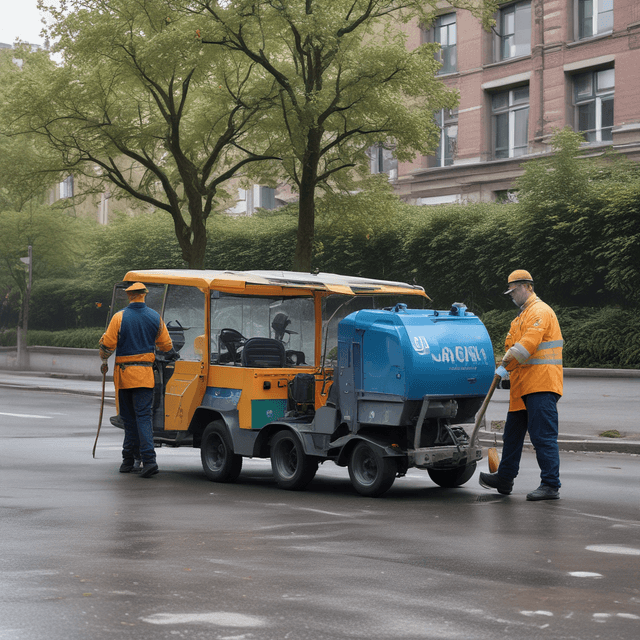
At the heart of the Clean The Streets program are the uniformed "Street Sweeper" teams who patrol the city's neighborhoods on a daily basis. Over 1,500 Street Sweepers are employed by the city, organized into crews that are assigned to specific districts or major commercial corridors.
The Street Sweepers are responsible for a variety of cleaning and maintenance tasks, including:
In addition to their cleaning duties, Street Sweepers also serve as a visible deterrent to littering and public nuisances. They are empowered to issue warnings and citations to individuals caught violating the city's anti-littering and anti-graffiti laws.
To foster a sense of shared responsibility, the Clean The Streets program has a strong emphasis on community outreach and engagement. Neighborhood associations, schools, and businesses are encouraged to "adopt" specific blocks or public spaces, organizing periodic cleanup events and reporting problems.
The city also operates a robust public education campaign, with billboards, public service announcements, and school curricula teaching residents about the importance of maintaining a clean urban environment. Many New Rotterdam residents take pride in the program, seeing the Street Sweepers as public servants deserving of respect.
By most accounts, the Clean The Streets program has been quite successful in improving the overall cleanliness and appearance of New Rotterdam's public realm. Studies have shown significant reductions in littering, graffiti, and illegal dumping since the program's inception. Resident satisfaction surveys also indicate high approval ratings.
However, the program has drawn some criticism as well. Civil liberties advocates have argued that the broad powers given to Street Sweepers, including the ability to levy fines, amount to an overreach of government authority. There have also been concerns raised about the program's affordability and disproportionate impact on lower-income communities.
As New Rotterdam continues to grow and evolve, officials are exploring ways to adapt the Clean The Streets initiative to new challenges, such as incorporating more sustainable waste management practices and finding the right balance between enforcement and community engagement. Maintaining the city's reputation for cleanliness and orderliness remains a top priority.
